




DTF printing has grown fast enough that a handful of myths have grown right along with it — some left over from older methods like heat transfer vinyl, some based on a one-off bad experience with a lower-quality provider, and some that just never held up in the first place. Here are seven of the most common ones, and what's actually true.
Myth 1: “DTF Only Works on Cotton”
Not true. DTF transfers are designed to adhere across a wide range of fabrics — cotton, poly blends, nylon, denim, canvas, and more — because the adhesive bonds with the fabric fibers rather than depending on a fabric-specific chemical reaction the way some other methods do. If you've had a print lift off a non-cotton garment before, it's more likely a pressing or fabric-prep issue than a hard limitation of the method. Our guides on nylon and synthetic fabrics and denim cover fabric-specific settings if you're troubleshooting.
Myth 2: “DTF and Sublimation Are Basically the Same Thing”
They're different processes with different rules. Sublimation dye bonds directly into polyester fibers, which means it generally needs a light-colored, high-polyester surface to show up correctly. DTF prints onto a film with a white ink base, then heat-presses that design onto the garment — which is why it works on cotton, blends, and dark colors without the same fabric restrictions. We broke down the full comparison in DTF vs. sublimation printing.
Myth 3: “You Need Expensive, Specialized Equipment to Start”
If you already own a heat press, you already have what you need on your end. DTF doesn't require a dedicated printer, RIP software, or a cutting machine the way some other methods do — you order ready-to-press transfers and press them. See our pricing guide for how the cost side works out for a small operation versus a larger one.
Myth 4: “DTF Prints Feel Stiff and Plastic-y”
This description fits some low-quality vinyl transfers more than it fits a correctly pressed DTF print. Because DTF adhesive bonds with the fabric fibers rather than sitting as a rigid layer on top, the finished print is generally designed to move with the fabric rather than against it. Feel is also affected by design size and press settings, so if a print came out stiffer than expected, dialing in temperature, time, and pressure is worth checking first — our heat press settings guide walks through that.
Myth 5: “DTF Doesn't Hold Up as Well as Screen Printing”
How long any printed garment holds up depends on more than just the printing method — wash habits, garment quality, and how the print was originally pressed all play a role. Rather than make a blanket claim either way, we'd point you to our wash and care guide and our wash durability guide for a fuller picture of what actually affects how long a print lasts, and how to get the most life out of one.
Myth 6: “Any Printer Can Produce Good DTF Results”
The process has more variables behind the scenes than it looks like from the outside — ink quality, film quality, curing, adhesive powder application, and press settings all affect the final result. Two shops running similar equipment can still turn out noticeably different quality. If you've had an inconsistent experience with DTF before, it may say more about that particular provider than about the method itself.
Myth 7: “DTF Is Just a Trend That'll Fade Out”
Adoption has actually moved the opposite direction — DTF has become a standard offering across custom apparel businesses, largely because it removes the volume and setup constraints that limited screen printing and embroidery on smaller orders. We go into more detail in why DTF is taking over custom apparel.
Myth 8: “DTF Doesn't Work Well on Dark Shirts”
This one has it backwards — dark garments are actually where DTF tends to perform best relative to other methods. Every DTF transfer includes a white ink underbase printed beneath the color layer, which keeps colors accurate and vibrant on black, navy, and other dark fabrics without needing a separate white layer or extra steps the way some vinyl methods do. If anything, dark shirts are a strong use case for DTF rather than a weak one.
Where These Myths Usually Come From
Most DTF myths aren't invented out of nowhere — they usually trace back to a real experience with an older method, a lower-quality provider, or a print that wasn't pressed quite right. If you've written off DTF based on one of those experiences, the easiest way to see where it actually stands is to feel a properly produced transfer for yourself — our DTF transfer sample pack is a low-commitment way to do that before placing a full order.
Frequently Asked Questions
Does DTF actually work on 100% cotton?
Yes. Cotton is one of the fabrics DTF transfers are commonly used on, along with poly blends, nylon, denim, and canvas.
Is DTF more durable than screen printing?
There's no single answer that applies to every order — durability depends on the specific transfer, how it was pressed, and how it's cared for afterward. Our wash durability guide goes into the factors that actually affect how long a print lasts.
Do I need a special printer to press DTF transfers?
No. You need a heat press — the same equipment used for HTV and other transfer methods. DTF transfers arrive ready to press; no printer, RIP software, or cutting machine required on your end.
Can DTF handle photo-realistic or full-color designs?
Yes. Because DTF prints the full design in a single pass with a white ink underbase, it handles gradients, small text, and photographic detail without the layering or color-matching challenges that cut-vinyl methods run into.
See for Yourself
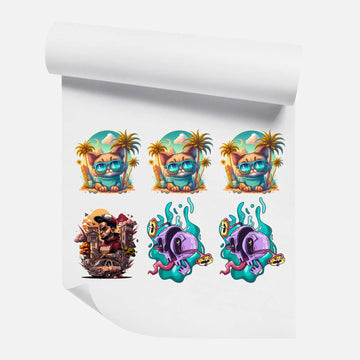
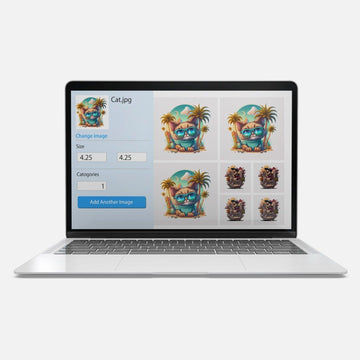
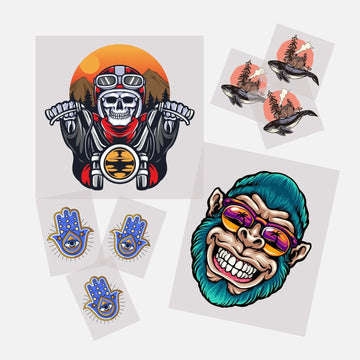
Myths are easiest to settle with a real transfer in hand. Order a sample pack, build your first gang sheet, or reach out through our contact page if you have a specific question we didn't cover here.


