


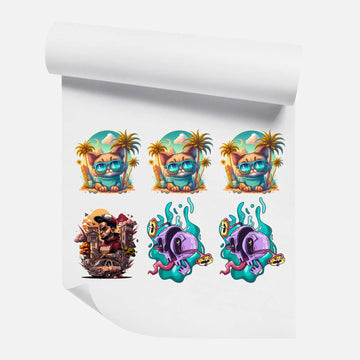
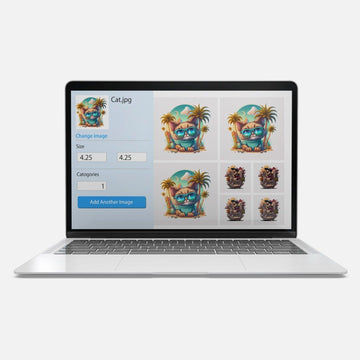

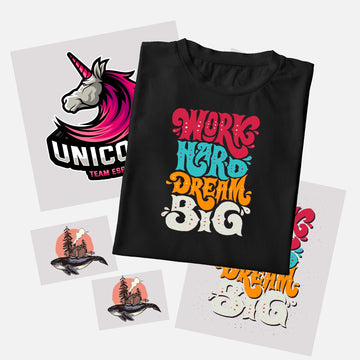


You spent time getting your design right. The colors are sharp, the print is clean, and the shirt looks exactly how you imagined it. The last thing you want is for that print to crack, peel, or fade after a few washes.
The good news: DTF prints are durable. Done right, they'll stay vibrant through years of regular washing. The not-so-good news: a few common laundry habits will shorten their life significantly — and most people don't know about them until they've already done the damage.
This guide covers exactly how to wash, dry, store, and iron DTF-printed garments — whether you're a customer caring for a single shirt, or a decorator passing care instructions on to your buyers.
The Quick Rules (If You're in a Hurry)
Before the full breakdown, here's the short version:
• Wash inside-out, cold or warm water only (30°C / 86°F max)
• Gentle cycle — not heavy duty, not hot
• Tumble dry on low heat or air dry flat
• No bleach, no fabric softener
• If ironing, never iron directly on the print
• No dry cleaning
Follow those six rules and your DTF prints will hold up well. Read on for the why behind each one, plus what to do if something goes wrong.
How to Wash DTF Printed Garments
Always wash inside-out
This is the single most important habit. Turning the garment inside-out before washing puts the print on the interior where it's not in direct contact with the drum wall, other garments, or abrasive movement. The friction and rubbing during a wash cycle is what causes premature wear on any printed or decorated surface — not the water itself.
Use cold or warm water — not hot
Hot water (above 40°C / 104°F) weakens the bond between the DTF ink layer and the garment fabric over time. It also causes cotton to shrink and pull, which stresses the print at its edges. Cold water (20-30°C) is ideal. Warm water (30-40°C) is fine. Anything hotter than that and you're shortening the print's life with every cycle.
Choose a gentle or delicate cycle
Heavy-duty cycles use more agitation and longer spin times. That extra mechanical stress is hard on any print, especially along the edges where the transfer meets the fabric. A gentle or delicate cycle gets the garment clean while keeping the print intact.
Skip the fabric softener
Fabric softener leaves a coating on fabric fibers that reduces breathability and, over time, degrades the adhesive bond in DTF prints. It's not going to ruin a print in one wash, but regular use adds up. Use a mild, dye-free detergent instead — something like a gentle liquid detergent without optical brighteners or heavy enzymes.
Never use bleach
Bleach — chlorine or oxygen-based — will degrade DTF inks and cause color shifts and cracking. Even color-safe bleach is too harsh. If you need to treat a stain on a printed garment, spot-treat the non-printed area only, or use a mild enzyme stain remover and rinse thoroughly before washing.
How to Dry DTF Printed Garments
Low heat tumble dry or air dry
High heat is the second biggest threat to DTF prints after friction. High-heat dryer cycles can cause the print layer to over-cure, become brittle, and start cracking at the edges — particularly on designs with solid fill areas or heavy coverage.
If you use a tumble dryer, set it to low heat or the permanent press setting. Better still, air dry by laying the garment flat or hanging it away from direct sunlight. Air drying is the gentlest option and extends print life the most.
Keep out of direct sunlight when drying
Prolonged UV exposure from drying outdoors in direct sun can cause color fading on any printed surface over time. A shaded spot outdoors or indoors near a window is fine — just avoid draping them over a sun-facing fence or railing for hours.
How to Iron a DTF Printed Shirt
You can iron DTF-printed garments — but never directly on the print. Here's how to do it safely:
1. Turn the garment inside-out before ironing
2. Use a medium heat setting — not the maximum
3. If ironing on the print side is unavoidable, place a thin cotton pressing cloth between the iron and the print
4. Never use steam directly on the print
Direct high heat from an iron will melt or flatten the DTF ink layer, leaving shiny marks or flattening the slight raised texture of the print. It can also cause colors to transfer from the print to the iron plate.
How Long Do DTF Prints Last?
With proper care, DTF prints typically last 50+ washes without significant fading or cracking — and many hold up well beyond 100 washes when consistently cared for correctly.
The main factors that affect longevity:
• Application quality: A properly heat-pressed transfer bonds deeper into the fabric fibers and holds longer than one applied too quickly or at the wrong temperature.
• Wash habits: Inside-out, cold water, gentle cycle — these make the biggest difference over the long term.
• Garment fabric: Prints on 100% cotton typically hold slightly better than on very stretchy blends, since cotton holds its shape under the print more consistently.
• Design coverage: Large, solid-fill prints have more edge area and are slightly more prone to edge lifting over time than smaller placement prints. High-quality transfers from a reliable source reduce this risk significantly.
This is worth mentioning when you're choosing where to order. DTF transfers from DTF Print are produced with premium inks and consistent adhesive application — both of which directly affect how well a print holds up over time.
Care Instructions to Share With Your Customers
If you're a decorator or reseller, including simple care instructions with every order protects your reputation and reduces refund requests. Here's a ready-to-use care card message you can print or include digitally:
"To keep your custom print looking sharp: wash inside-out on a gentle cycle in cold or warm water (max 30°C). Tumble dry on low or air dry. No bleach or fabric softener. If ironing, turn inside-out and avoid ironing directly on the print."
Frequently Asked Questions
Can DTF prints go in the washing machine?
Yes. DTF prints are machine-washable. Turn the garment inside-out, use cold or warm water on a gentle cycle, and skip the fabric softener. Avoid hot wash settings and heavy-duty cycles.
Why is my DTF print cracking or peeling?
The most common causes are: washing in hot water, high-heat tumble drying, ironing directly on the print, or an application issue during the original heat press stage. If your transfer was applied correctly and you're following the care steps above, cracking or peeling within the first 20-30 washes typically points to a transfer quality issue — worth checking with your print supplier.
How many washes can a DTF print survive?
A high-quality DTF print, properly applied and cared for, should hold up for 50-100+ washes without significant degradation. Some prints last much longer — the key variables are wash temperature, drying method, and original transfer quality.
Can you dry clean a DTF printed shirt?
No. Dry cleaning solvents are too harsh for DTF inks and adhesive layers. Stick to machine or hand washing following the guidelines above.
Get Prints Worth Caring For
Proper care starts with a proper print. A high-quality DTF transfer — pressed at the right temperature and time — gives you a stronger bond, better color retention, and a longer-lasting result that holds up even when someone forgets to turn the shirt inside-out once in a while.
At DTF Print in Alpharetta, GA, we use premium inks and consistent quality control on every order — whether you're ordering a single transfer, a custom gang sheet, or a ready-to-print file. Not sure which option fits your project? Check our FAQ or get in touch — we're happy to help.


