




More buyers — boutiques, resellers, event organizers — are asking about environmental impact before choosing how to decorate apparel, and DTF comes up in that conversation a lot. The honest answer isn't a simple yes or no. DTF has a real structural advantage in one area and real limitations in others, and understanding both is more useful than a marketing claim either way.
The Real Advantage: Printing On Demand
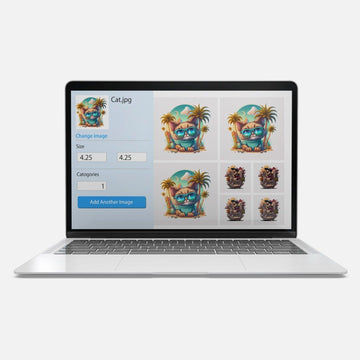
The biggest sustainability issue in apparel decoration generally isn't any single printing method — it's overproduction. Methods that require a minimum order to be cost-effective push buyers toward ordering more than they need, and unsold inventory is a significant source of textile waste across the industry. DTF doesn't carry that constraint: there's no minimum, so you can order the exact quantity you need, print to order as items sell, and avoid building up excess stock. That's a genuine, structural advantage — it comes from the on-demand ordering model itself, not from any specific claim about the ink or film. Our pricing guide and gang sheet builder both reflect that — order what you actually need, sized efficiently.
What Actually Goes Into a DTF Transfer
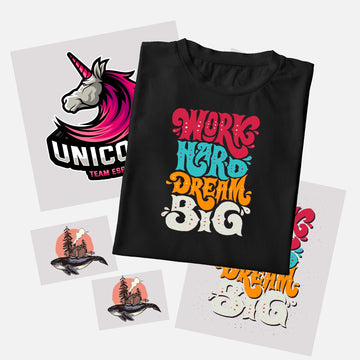
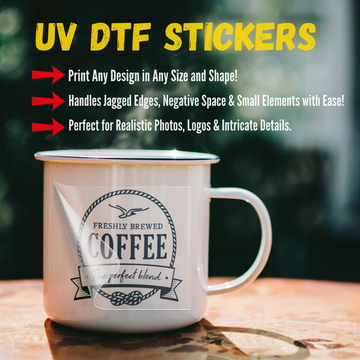
In the interest of a straight answer: a DTF transfer is printed with CMYK and white ink onto a PET film, then coated with a hot-melt adhesive powder and cured. The film and adhesive are synthetic materials — this isn't a fully biodegradable or compostable product, and we're not going to claim otherwise. Every printing and decoration method has some environmental footprint, and DTF's is concentrated in the film backing, the ink, and the electricity used in printing and curing, rather than in water use or chemical waste, which tend to be bigger factors for methods like screen printing or dye sublimation.
Where DTF Falls Short
The film backing left over after a transfer is pressed is generally not accepted in standard curbside recycling, since it's a mixed material rather than a single recyclable plastic. If minimizing landfill waste specifically matters to your business, that's worth knowing going in rather than assuming otherwise. We'd rather tell you this directly than let a vague “green” claim imply something we can't back up.
Practical Ways to Reduce Waste When You Order DTF
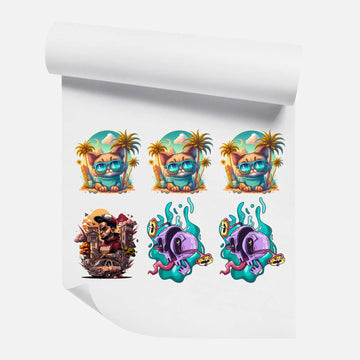
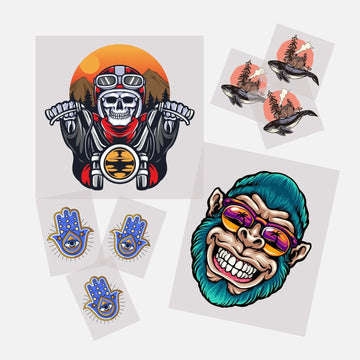
· Use a gang sheet to nest multiple designs onto one sheet instead of ordering several small transfers separately — it reduces unused film area per design
· Order close to what you actually need rather than padding quantity “just in case” — the no-minimum model exists specifically so you don't have to
· Store unpressed transfers properly so they don't degrade before use — see our storage guide
· Follow proper wash and care practices — a print that lasts longer means fewer reprints and replacement garments over time
Does No-Minimum Ordering Really Add Up to Less Waste?
It's worth being specific about why this matters rather than just asserting it. When a decoration method requires a minimum order to be worth the setup cost — a certain number of shirts per screen print run, for example — a buyer who only needs 15 units often ends up ordering 24 or 48 to hit that minimum and get a reasonable per-unit price. The extra units either sell eventually, sit as aged inventory, or get discounted or discarded. That gap between what's ordered and what's actually needed is where a meaningful share of apparel waste comes from industry-wide. Removing the minimum doesn't eliminate waste from the process entirely, but it removes that specific incentive to over-order, which is a real and measurable difference in how a business can operate rather than a vague claim about materials.
How DTF Compares to Other Decoration Methods
No decoration method comes out a clear winner across every environmental category. Screen printing uses water and cleaning chemicals for screen prep and reclamation, and requires a physical screen per color per design — wasteful when designs change often. Sublimation and DTG printing both typically use more water in their process than DTF does. Heat transfer vinyl produces cut-off vinyl waste from weeding. DTF's main waste stream is the film and unused ink rather than water or chemical runoff. None of this makes one method objectively “greener” than another across the board — they just have different tradeoffs, and which one matters most depends on what you're trying to minimize.
The Honest Answer
DTF isn't a certified eco-friendly product, and we're not going to market it as one. What it does offer is a real, structural way to reduce one of the apparel industry's biggest sources of waste: overproduction from minimum-order requirements. If sustainability is part of your decision, the most concrete levers available to you are ordering close to what you need, packing designs efficiently on a gang sheet, and taking care of what you print so it lasts — not a claim about the material itself being “green.”
Frequently Asked Questions
Is DTF ink toxic or hazardous?
DTF inks are formulated for apparel printing and go through a curing process as part of production. For specific safety data or handling questions, reach out through our contact page and we can point you to what documentation is available.
Can DTF transfer film be recycled?
Generally not through standard curbside recycling, since it's a mixed material rather than a single recyclable plastic. Check with a specialty recycler in your area if this is a priority for your business.
Is DTF more eco-friendly than screen printing?
Neither method is a clear winner across every measure — DTF generally uses less water and avoids screen-related chemical waste, while screen printing doesn't leave behind film backing. Which one matters more depends on what you're trying to minimize.
Does ordering a gang sheet actually reduce waste?
Yes, structurally — nesting multiple designs onto one sheet uses film more efficiently than ordering several small transfers separately. Our gang sheet builder shows you exactly how designs fit before you order.
Order With Intention
If reducing waste is part of how you think about ordering, the no-minimum model and gang sheet builder are the two most useful tools available to you. If you have questions about a specific order or want help planning an efficient layout, reach out through our contact page — we'd rather help you order accurately than have leftover product going to waste.


