


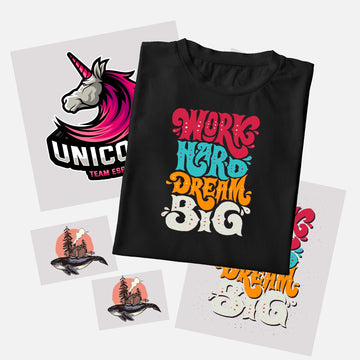


Custom branded staff uniforms are one of the most consistent apparel needs for restaurants, food trucks, coffee shops, catering companies, and service businesses. A staff in matching branded shirts communicates professionalism to every customer who walks in — and creates a visual identity that sets the business apart from competitors whose staff wear generic or mismatched clothing.
The challenge for most food service and service businesses has always been the reorder problem. Staff turns over. New locations open. Existing shirts wear out. Traditional screen printing handles volume orders well but poorly for small reorders — setup fees and minimums make adding 3 shirts for new hires expensive. DTF transfers solve this directly: no minimum, no setup fee, fast turnaround on any quantity from 1 to 500.
Why DTF Works for Restaurant and Workwear Uniforms
Restaurant workwear has specific demands that differ from event apparel or retail branded merchandise. Staff uniforms get worn daily, washed frequently, and exposed to food service environments — heat, grease, moisture, and cleaning chemicals. The print needs to hold up through that use cycle without fading, cracking, or peeling before the shirt itself wears out.
DTF transfers pressed correctly bond to fabric fibers at a level that withstands 50 or more wash cycles without significant degradation. For restaurant staff shirts washed after every shift, a well-applied DTF transfer typically outlasts the garment — which is the right durability standard for any workwear application. Our DTF wash and care guide covers the care instructions that maximize print life through heavy washing.
The other key advantage for food service businesses is design versatility. Restaurant logos often involve specific brand colors, custom typography, and detailed mark elements that screen printing reproduces only at significant per-color cost. DTF transfers reproduce full-color logos — any color, any detail level — at the same cost as a single-color design. A four-color restaurant logo and a one-color wordmark cost the same per transfer.
Common Workwear Applications for DTF Transfers
Staff T-Shirts and Polo Shirts
The standard restaurant uniform shirt — a t-shirt or polo with a left chest logo and sometimes a back design — is the most common workwear DTF application. Front-of-house staff in branded shirts signal professionalism and make staff easy for customers to identify. Back-of-house staff in branded shirts reinforce team identity.
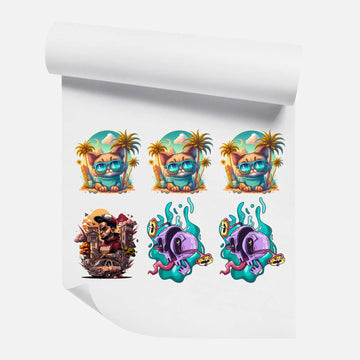
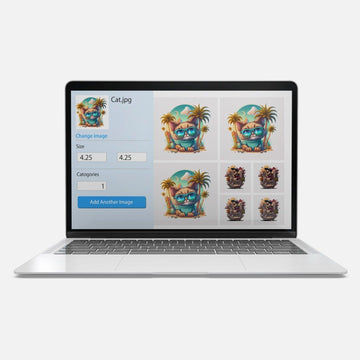
For a left chest logo on a staff shirt, a transfer of 3.5 to 4.5 inches wide positions cleanly above the breast pocket or at the standard chest placement. For a full front or full back design — a larger brand statement on a casual dining or food truck shirt — transfers up to 12 inches wide press cleanly on standard adult t-shirt sizes. Our gang sheet builder makes it easy to tile multiple shirt-size logos efficiently on one sheet for a mixed-size staff order.
Aprons
Chef aprons, server aprons, and barista aprons are a natural workwear canvas for branded printing. A logo on the bib area of a full apron, or a small mark on a half apron, identifies staff and adds a branded touch to customer-facing presentation. DTF transfers on aprons press the same way as on standard fabric — the apron bib lies flat on the heat press platen for clean, even contact.
Canvas aprons specifically follow the same press settings as other cotton canvas items — slightly longer press time and firm pressure to penetrate the denser weave. See our DTF tote bag and canvas guide for canvas-specific press settings that apply equally to aprons.
Food Truck and Catering Staff Shirts
Food trucks and catering operations have a specific visual challenge: staff are often the most visible brand element at an event or service location. A food truck with five staff members in matching branded shirts creates a cohesive, professional presence that signals quality before a customer tastes a single item.
Food truck staff shirts often see rougher use than restaurant front-of-house — outdoor events, varying weather, physical activity. DTF transfers on a heavier cotton blank (Gildan Heavy Cotton or similar) hold up better in these conditions than on lightweight fashion tees. The heavier fabric also takes the DTF adhesive bond more deeply, which contributes to durability through more aggressive washing.
Coffee Shop and Cafe Staff Apparel
Independent coffee shops and cafes have become one of the strongest markets for branded staff apparel. A branded barista shirt, a custom apron, or a logo beanie for cold-weather service — each item carries the cafe brand into daily customer interactions. For coffee businesses with a strong local identity and design-conscious customer base, the quality of the branded apparel matters. A soft, well-printed DTF transfer on a quality blank projects care and attention to brand that cheap iron-on transfers or low-quality heat press logos do not.
Coffee shop orders are typically small — 5 to 15 staff shirts and a handful of aprons. This is exactly the quantity range where DTF transfers outperform screen printing: no setup fee, no minimum, professional result on the same production timeline as a large commercial order.
Salon, Spa, and Beauty Service Apparel
Hair salons, nail studios, massage practices, and beauty service businesses use branded staff apparel both for professionalism and for brand consistency in customer-facing environments. Stylists in matching branded tops or clients-first aprons create a polished environment that reinforces the business brand.
Beauty service workwear often involves darker-colored blanks — black, charcoal, or deep jewel tones — that reflect the aesthetic of the space. DTF transfers on dark shirts reproduce full-color logos accurately through the white underbase ink layer, making the design look the same on a black shirt as on a white one. No extra charge for dark-fabric printing. Our DTF dark shirts guide covers how white underbase works on dark garments.
Retail and Service Counter Staff Uniforms
Retail shops, service counters, dry cleaners, auto shops, and other service-forward businesses use branded staff shirts to maintain consistent customer-facing identity. These businesses typically need the same small recurring reorder pattern as restaurants: a consistent design worn by changing staff, with small orders placed as headcount changes.
For businesses with 10 to 30 staff members, maintaining a par stock of blank shirts in standard sizes and a supply of DTF transfers on hand — pressing shirts as needed when new staff join — is the most efficient production model. Order a gang sheet with 30 to 50 transfers of the logo at standard sizes and press individual shirts on demand rather than maintaining a large pre-pressed inventory.
Workwear Fabrics and DTF Considerations
100% Cotton Workwear
Cotton is the most durable fabric for restaurant and food service workwear and the most forgiving for DTF pressing. Standard cotton blanks — Gildan 5000, Hanes Beefy-T, Fruit of the Loom Heavy Cotton — press at standard DTF settings (300 to 315°F, 12 to 15 seconds, medium-firm pressure) with consistent results. Cotton withstands the high-heat washing that workwear often receives better than performance blends.
Cotton-Poly Blends
Many workwear shirts and polos are a cotton-poly blend — typically 60% cotton / 40% polyester or 50/50. These press well at standard settings with a slightly lower temperature to manage the polyester content. Avoid hot-water washing on poly-blend workwear, as high-heat washing accelerates adhesive degradation faster than on 100% cotton.
Performance and Moisture-Wicking Shirts
Some restaurant and food service operations use moisture-wicking performance shirts for staff working in hot kitchen environments. High-polyester performance fabrics require reduced press temperature (270 to 290°F) and attention to dye migration on bright-colored fabrics. See our DTF on synthetic fabrics guide for the full press settings and technique for polyester workwear.
Ordering DTF Transfers for Workwear: Best Practices
Establish a Standard Design File
Before placing your first workwear DTF order, prepare a production-ready master file for your logo: PNG with transparent background, 300 DPI at the intended print size (3.5 to 4.5 inches for left chest, 10 to 12 inches for full front). Store this file somewhere accessible so reorders go straight to production without artwork delays. A business that placed an order 6 months ago should be able to reorder the same design in minutes — not wait for artwork recreation.
Use Gang Sheets for Efficient Reorders
For workwear operations that reorder the same design repeatedly, building a standing gang sheet layout saves time and cost on every reorder. Tile your standard logo at left-chest size across a 22-inch wide gang sheet — a single sheet holds 20 to 30 left chest transfers depending on logo size. Order a sheet when stock runs low, press shirts as new hires join, and repeat. This is the most cost-efficient reorder model for any restaurant or service business with ongoing uniform needs.
Order a Few Extra Transfers for Replacements
Staff shirts in food service environments wear out. Grease, bleach-based cleaning chemicals, and frequent high-heat washing degrade fabric faster than normal apparel wear. When placing a workwear transfer order, add 10 to 20% extra transfers beyond your current headcount. These spares cover replacement shirts when an existing shirt is damaged or an unexpected new hire joins before the next planned order.
Local Restaurant and Business Uniform Orders in Atlanta
For restaurants, cafes, food trucks, and service businesses in Alpharetta, Johns Creek, Roswell, Marietta, and the greater Atlanta area, working with a local DTF supplier means faster turnaround on reorders — critical when a staff member starts Monday and needs a uniform by their first shift.
Local orders placed with dtfprint.me can often be turned around within 2 to 3 business days for standard designs with print-ready artwork on file. For businesses setting up their first uniform order or working with a new logo, reach out through the contact page before ordering to confirm artwork specs and timing. We work with restaurants, coffee shops, and service businesses throughout North Atlanta regularly and understand the timeline pressures of food service uniform needs.
Cost Comparison: DTF vs Screen Printing for Workwear
For small and recurring workwear orders, DTF transfers are significantly more cost-effective than screen printing:
● Screen print setup fee (1 to 2 color logo): $25 to $60 per screen — paid every time you reorder unless you maintain a standing account with the same shop.
● Screen print minimum order: typically 12 to 24 shirts. Adding 3 shirts for new hires means a 12-shirt minimum run with 9 extra shirts as waste.
● DTF transfer (left chest logo, gang sheet): $1.50 to $3 per transfer. No setup fee. Order exactly 3 transfers for 3 new hires.
● Blank shirt cost: same whether using DTF or screen printing — $3 to $6 for standard cotton workwear blanks.
At 5 new hires per quarter in a 20-person restaurant, screen printing requires running full minimums four times per year. DTF transfers allow pressing exactly the shirts needed for each new hire as they join. The savings on wasted minimums alone often covers the cost of a heat press within the first year. See our DTF pricing guide for detailed cost-per-unit calculations at different quantities.
Frequently Asked Questions
Do DTF transfers hold up in restaurant washing conditions?
Yes. A properly applied DTF transfer on cotton or cotton-blend workwear holds through 50 or more wash cycles. For restaurant workwear washed after every shift, this translates to several months of daily use. Wash in cold or warm water (not hot), inside out, and dry on low heat rather than high — high-heat drying is the primary accelerator of adhesive degradation on any DTF print. Our DTF wash and care guide covers full care instructions for workwear.
Can I order just a few shirts for new restaurant hires?
Yes. DTF transfers have no minimum. Order 1 transfer or 100 at the same per-unit quality. For small workwear reorders — 2 to 5 shirts for new hires — DTF transfers are significantly more cost-effective than screen printing, which requires meeting a minimum order that often produces far more shirts than needed.
How fast can I get staff shirts produced with DTF transfers?
Standard production time for DTF transfers is 2 to 3 business days after artwork approval. Pressing a shirt takes about 2 minutes once the transfer arrives. For businesses in the Alpharetta and North Atlanta area, local orders can often be ready faster. Contact us in advance if you have a specific start-date deadline for a new staff member.
Can DTF transfers go on black restaurant shirts?
Yes. DTF transfers include a white underbase ink layer that makes full-color logos vibrant on black, navy, charcoal, and other dark-colored workwear shirts. The logo looks identical on a black shirt and a white shirt. There is no additional cost for dark-fabric printing — the white underbase is standard in all DTF transfer production.
Uniform Your Team, Build Your Brand
Staff uniforms are one of the highest-return branding investments a food service or service business makes — every customer interaction with a uniformed staff member is a brand impression. DTF transfers make producing and maintaining those uniforms practical at any scale, without the minimum order friction that has historically made small workwear runs expensive.
Start your first workwear order by building your logo layout in the gang sheet builder, or contact us through the contact page if you want to discuss artwork setup, size recommendations, or turnaround timing before placing your order.


