


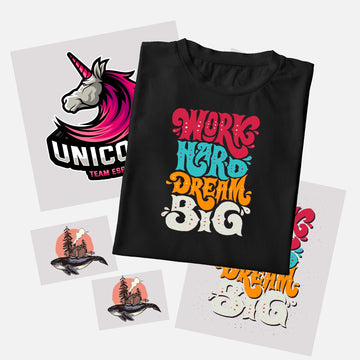


Direct-to-Film printing has quickly become a go-to method for custom apparel and product decoration. Whether you’re a small business owner or someone exploring custom printing, understanding the right materials is essential for achieving clean, long-lasting results. A professional DTF printing service can deliver high-quality transfers, but the final output still depends heavily on the materials used.
In this guide, we’ll break down the different materials suitable for DTF printing, how they perform, and what you should consider before choosing them.
Understanding DTF Print Materials
Before diving into specific options, it’s important to understand what DTF print materials include. In simple terms, these materials refer to the fabrics and surfaces where DTF transfers can be applied.
DTF printing works differently from other methods because it uses a film transfer that can stick to a wide variety of surfaces. This flexibility is one of the main reasons why many businesses rely on a DTF printing service for bulk and custom orders.
Fabric Materials Suitable for DTF Printing
Cotton Fabrics in DTF Print Materials
Cotton is one of the most popular choices for DTF printing. It is widely used in t-shirts, hoodies, and everyday wear.
Cotton absorbs the adhesive layer effectively, allowing the design to bond well with the fabric. The result is a soft finish with strong durability.
Benefits of cotton for DTF printing:
-
Comfortable and breathable
-
Holds colors well
-
Works great for detailed designs
Many businesses offering DTF printing online recommend cotton garments for beginners because they are easy to work with and give consistent results.
Polyester Fabrics for DTF Printing Service
Polyester is another widely used material, especially in sportswear and performance clothing.
Unlike sublimation, which works only on polyester, DTF printing performs well on polyester without any color limitations. This makes it ideal for vibrant and multi-color designs.
Advantages:
-
Lightweight and durable
-
Suitable for athletic wear
-
Maintains print clarity over time
A reliable DTF printing service often handles large volumes of polyester garments for uniforms and promotional apparel.
Cotton-Poly Blends in DTF Print Materials
Blended fabrics combine the best of both cotton and polyester. These materials are commonly used in modern apparel due to their balance of comfort and durability.
DTF printing adheres well to blends, making them a versatile option.
Why choose blends:
-
Less shrinkage than pure cotton
-
Better durability than standard fabrics
-
Smooth surface for printing
If you're ordering through DTF printing online, blends are often recommended for long-term wear products.
Specialty Materials You Can Use for DTF Printing
Nylon and Synthetic Fabrics
DTF printing can also be applied to nylon and other synthetic materials, though it requires proper temperature control during heat pressing.
These materials are commonly used in:
-
Jackets
-
Bags
-
Outdoor gear
A professional DTF printing service will adjust heat and pressure settings to prevent damage while still achieving proper adhesion.
Leather and Faux Leather
Yes, DTF printing can work on leather and synthetic leather surfaces. This opens up opportunities for customizing accessories like:
-
Wallets
-
Bags
-
Shoes
However, the process requires precision. Too much heat can damage the surface, so experienced providers offering DTF printing in Atlanta or other regions often handle these materials with care.
Canvas Materials in DTF Print Materials
Canvas is widely used for tote bags, shoes, and decorative items. It has a textured surface, but DTF transfers can still adhere well when applied correctly.
Benefits:
-
Durable and strong
-
Suitable for everyday use items
-
Works well for bold designs
Canvas products are commonly seen in custom merchandise sold through DTF printing online platforms.
Non-Fabric Surfaces for DTF Printing
One of the biggest advantages of DTF printing is its ability to work on more than just fabric.
Wood Surfaces
DTF transfers can be applied to wooden items, making them suitable for:
-
Decorative panels
-
Sign boards
-
Personalized gifts
The surface needs to be smooth for the best results. Many businesses using a DTF printing service expand into home décor products using this method.
Metal Surfaces
Certain coated metal surfaces can accept DTF transfers. This is useful for:
-
Promotional items
-
Custom plates
-
Branded merchandise
While not as common as fabric, this application is growing, especially in custom gifting.
Plastic Materials
DTF printing can also be used on some plastic surfaces, provided they can handle heat.
Examples include:
-
Phone cases
-
Storage boxes
-
Packaging items
A skilled DTF printing service will test compatibility before production to avoid issues.
Key Factors When Choosing DTF Print Materials
Surface Texture
Smooth surfaces generally produce better results. Rough or uneven textures may affect how the design adheres.
Heat Resistance
Since DTF printing involves heat pressing, the material must withstand high temperatures without damage.
Fabric Composition
Different fabrics react differently to heat and adhesive. Cotton and blends are usually the safest choices, while synthetics require more attention.
Purpose of the Product
Think about how the final product will be used. For example:
-
Sportswear → polyester
-
Casual wear → cotton
-
Accessories → canvas or leather
Many businesses working with DTF printing in Atlanta focus on selecting materials based on customer needs and usage.
Common Mistakes When Selecting Materials
Choosing the wrong material can lead to poor results, even if the print itself is high quality.
Avoid these mistakes:
-
Using heat-sensitive fabrics without testing
-
Selecting rough surfaces that prevent proper adhesion
-
Ignoring fabric blends and their behavior under heat
-
Not consulting a professional DTF printing service
Why Material Choice Matters in DTF Printing Service
Even the best printer and design won’t perform well if the material isn’t suitable. The right combination of fabric and transfer process determines:
-
Print durability
-
Color vibrancy
-
Wash resistance
-
Overall appearance
Businesses that rely on DTF printing online often provide material recommendations to help customers get better results.
Final Thoughts
DTF printing stands out because of its flexibility across different materials. From cotton t-shirts to leather accessories and even wood surfaces, the possibilities are wide.
Understanding DTF print materials helps you make better decisions, whether you’re placing bulk orders or starting your own custom printing venture. Working with a reliable DTF printing service also ensures that the right techniques are used for each material type.
As demand for custom products continues to grow, DTF printing remains a practical solution for both beginners and established businesses. Choosing the right materials is the first step toward achieving prints that look good and last long.
If you’re looking for consistent results and professional support, you can consider working with DTF Print, a brand that offers reliable DTF printing online solutions for different material needs.


