




An Overview
The world of garment decoration has seen a massive shift in technology over the last few years. For a long time, screen printing and Direct to Garment or DTG were the primary options for anyone wanting to put a design on a t-shirt. However, a new method has taken the industry by storm due to its versatility and ease of use. This process is known as Direct to Film or DTF.
If you have been looking for DTF printing online to start your own clothing line or create custom gifts, understanding the fundamentals of this technology is the first step toward success. DTF is a process that involves printing a design onto a specialized clear film and then transferring that design onto a garment using heat and pressure.
Unlike other methods that require complex pretreatment or expensive screens, this technique is remarkably straightforward. It allows for high-quality, full-color prints that are durable and soft to the touch. This guide will walk you through how it works, why it is popular, and how to find the best services for your needs.
How does the DTF Printing process Work
The beauty of this method lies in its simplicity. The process begins with a digital design created on a computer. This design is sent to a specialized printer that uses unique textile inks. The printer lays down the CMYK colors first, followed by a thick layer of white ink on top. This white layer acts as a base, allowing the colors to pop even when applied to dark-colored fabrics.
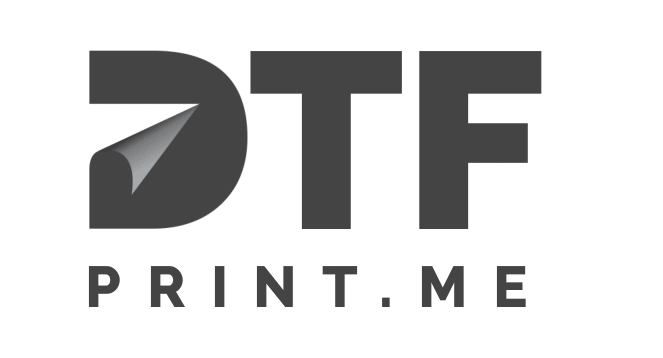
Once the design is printed onto the PET film, a hot-melt adhesive powder is applied while the ink is still wet. This powder sticks to the white ink and is then cured in an oven or with a heat press. The result is a flexible, durable transfer that is ready to be applied to a shirt, hat, or bag. Because the adhesive is only on the areas where ink was printed, there is no need for weeding or cutting around the design.
Why People Choose DTF Printing Online
One of the biggest advantages of this technology is accessibility. Many small business owners and hobbyists do not have the space or budget for industrial machinery. By using DTF printing online services, you can upload your designs to a professional provider and receive high-quality transfers at your doorstep. This removes the barrier of entry for people who want to start an apparel brand without a large upfront investment.
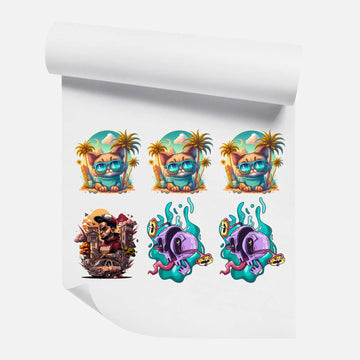
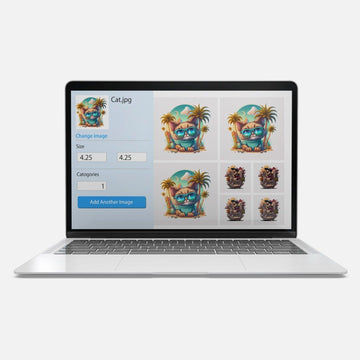
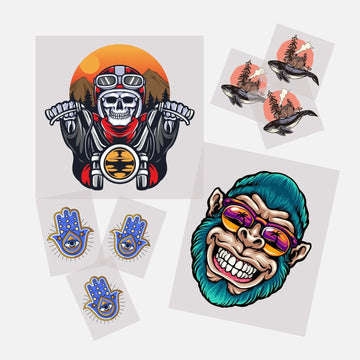
Ordering online also provides the benefit of "gang sheets." This is a method where you place multiple designs onto a single large sheet of film. This maximizes space use and significantly lowers the cost per print. Online platforms make it easy to arrange your artwork and see exactly what the final product will look like before you pay. It is a highly efficient way to manage production from the comfort of your home or office.
Ways to Find Local Services of DTF Printing Nearby
While the internet offers global reach, there are times when you need a more personal or immediate solution. Searching for a DTF print near you can be incredibly helpful when you have a tight deadline or want to see physical samples of the film. Local shops enable better communication about color matching and fabric compatibility. You can often drop off your own garments or pick up your finished transfers to save on shipping costs and time.
A local provider can also offer guidance on the best heat press settings for different types of materials. Since every press is a little different, having a professional nearby to troubleshoot can be a lifesaver for beginners. Whether you are in a small town or a major city, the growing popularity of this method means that finding a specialized shop is becoming easier every day.
Experience the Growing Hub of DTF Printing in Atlanta
Georgia has become a significant center for the apparel and printing industry in the Southern United States. The demand for DTF printing in Atlanta has skyrocketed as local designers and entrepreneurs look for better ways to produce merchandise. The city is home to many professional print shops that have invested in the latest machinery to keep up with the fast-paced market.
Being in a hub like Atlanta means that the competition keeps quality high and prices fair. Local businesses benefit from a wealth of expertise and a community of printers who are constantly pushing the boundaries of what is possible with film transfers. If you are looking to scale your business, the infrastructure in this region provides excellent support for high-volume production and quick logistics.
Explain the Power & Speed of Same Day DTF Printing
One of the most frustrating parts of traditional printing is the long wait time. Screen printing can take weeks for setup and production. However, because Direct to Film is a digital process, it is much faster. Many shops now offer same day DTF printing for customers who are in a rush. This is a game-changer for event planners, sports teams, or retail shops that need last-minute inventory.
If you have your artwork ready in high resolution, a professional shop can often print and cure your transfers in a matter of hours. This speed enables a print-on-demand model in which you only produce what you have already sold. This reduces waste and ensures that you never have too much unsold stock sitting in a warehouse.
How to make DTF Printing Versatile and Durable
A major reason for the shift toward film transfers is the ability to print on almost any material. While DTG is mostly limited to 100% cotton, DTF works perfectly on polyester, nylon, treated leather, and 50/50 blends. This opens up a world of possibilities for branding athletic wear, jackets, and canvas bags that were previously difficult to decorate with high-detail designs.
The durability is also impressive. When applied correctly, these transfers are highly resistant to cracking and peeling. They can withstand dozens of washes without losing their color brilliance. The ink is flexible, meaning it moves with the fabric instead of feeling like a thick plastic sheet on your chest. This combination of versatility and longevity makes it a superior choice for both daily office wear and fashion.
Design Tip- How to Prepare Your Artwork for Success in 2026
To get the best results from your printer, your artwork must be high-quality. Professionals recommend using vector files or transparent PNGs with at least 300 DPI. It is important to ensure that there are no stray pixels or semi-transparent edges in your design, as the white ink layer will pick up those details and create a "halo" effect around your print. Taking the time to clean up your files will ensure that your final product looks professional and sharp.
Final Words
Direct to Film technology has democratized the world of custom apparel. It provides a bridge between low-cost DIY methods and high-end industrial production. Whether you are managing your projects through DTF printing online platforms or working with a local shop for same day DTF printing, the results are consistently impressive.
The ability to print on diverse fabrics with vibrant colors and high durability is why this method continues to grow in popularity every year. For those looking for the best transfers and support in the industry, the team at DTF Print is ready to help you bring your creative visions to life.
Frequently Asked Questions
1. Can I use a regular household iron to apply DTF transfers?
While it is technically possible, it is not recommended for professional results. A household iron does not provide the consistent heat or the high pressure necessary to bond the adhesive to the fabric properly. For a durable, long-lasting print, use a dedicated heat press.
2. How do I wash garments with these transfers?
To keep the designs looking new, it is best to turn the garment inside out before washing. Use cold or lukewarm water and a mild detergent. Avoid using bleach or high-heat drying cycles, as extreme heat can eventually weaken the adhesive bond. Hang drying or using a low-tumble setting is the best way to preserve the print.


