




If you’ve been trying to figure out the best way to get custom designs on fabric, you’ve probably run into two names more than any other — DTF and DTG. Both methods produce full-color prints, both work for custom orders, and both have their defenders online. But the actual differences between them matter a lot depending on what you’re printing, how many pieces you need, and what kind of results you expect. DTF printing services have grown significantly over the past few years, and a lot of that growth comes directly from people who tried DTG first and found it didn’t fit their workflow. This comparison isn’t about declaring a winner — it’s about giving you the honest breakdown that most “which is better” articles skip over.
What DTF and DTG Actually Are
Before getting into the comparison, it helps to be clear on what each process involves, because the mechanics explain most of the differences in output and practicality.
How DTG Printing Works
DTG — Direct to Garment — works essentially like a modified inkjet printer. The garment is laid flat on a platen, loaded into the machine, and the print head deposits ink directly onto the fabric fibers. For light garments, you can often print straight onto the fabric. For dark garments, a white underbase layer is applied first, then the color layer on top. The garment then goes through a heat press or conveyor dryer to cure the ink.
DTG has been around longer and built a strong reputation for printing detailed, photographic designs directly onto cotton shirts with soft, breathable results.
How DTF Printing Works
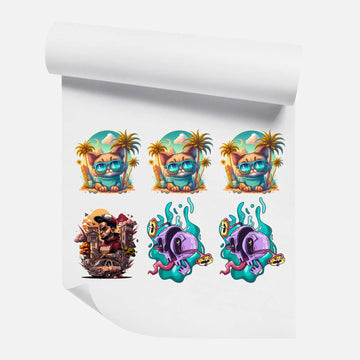
DTF — Direct to Film — takes a different approach. The design is printed onto a clear PET film, a hot-melt adhesive powder is applied while the ink is still wet, and the film is cured in an oven. The finished transfer can then be applied to virtually any fabric using a heat press. The film peels away, leaving the design bonded to the surface.
This process separates printing from application, which has some significant practical implications we’ll get into below.
The Real Differences That Actually Matter
Fabric Compatibility
This is where DTF has a clear and honest advantage. DTG works best on 100% cotton or high-cotton blends. Polyester, nylon, performance fabrics, denim, canvas — DTG struggles on all of these. The ink doesn’t bond well to synthetic fibers, and results can be patchy or faded even when everything goes technically right.
DTF transfers bond through heat-activated adhesive rather than ink absorption, which means fabric type is largely irrelevant. Cotton, polyester, nylon, blends, leather, canvas — the transfer adheres to the surface rather than needing to soak into it. For anyone printing on sportswear, bags, hats, or anything other than a standard cotton tee, this matters enormously.
Setup and Pretreatment
DTG requires pretreatment liquid on dark garments before printing. This adds time, an extra step, and a chemical process that needs to be done evenly or the final print looks blotchy. Some garments also react unpredictably to pretreatment depending on the fabric dye or finish already on the material.
DTF has no pretreatment requirement. You print, powder, cure, and transfer. Fewer variables in that process means fewer ruined garments and more consistent results across a batch.
Washability and Durability
This one is more even than the marketing on either side suggests. A well-applied DTG print on quality cotton, properly cured, can last many years without significant fading. But DTG prints have a known vulnerability to cracking if the curing step isn’t done correctly or if cheap inks are used.
DTF transfers form a surface layer rather than penetrating the fiber, which some people worry means it’ll crack or peel faster. In practice, a quality DTF transfer with proper adhesive powder and correct heat press settings holds up very well — comparable to DTG on cotton, and often better on mixed fabrics where DTG ink adhesion was already compromised.
The honest answer: durability depends more on application quality and materials than on the method itself.
Minimum Order Quantities and Cost per Piece
DTG genuinely shines for single pieces and very small runs. There’s no need to prepare a transfer in advance — you design, print, and press in one workflow. For truly one-off custom orders, DTG is hard to beat on speed and simplicity.
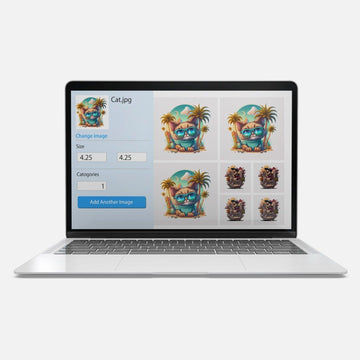
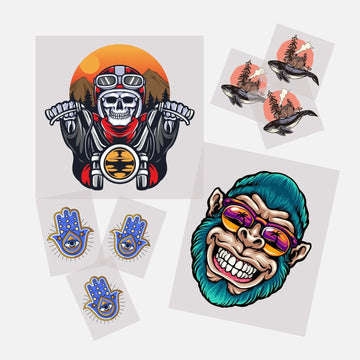
DTF printing online services often accept single-piece orders too, especially for transfers. But where DTF really starts to pull ahead economically is in batches — you can print a full sheet of transfers efficiently, apply them to garments later, and the per-unit cost drops significantly at volume. For small businesses doing regular runs of branded merchandise or uniforms, DTF’s batch workflow is genuinely more practical.
Where Each Method Makes More Sense
When DTG Is the Right Call
- You’re printing exclusively on 100% cotton garments
- Orders are truly one at a time with no predictable volume
- Customers specifically want a soft, no-feel print that blends into the fabric
- You have an in-house DTG setup already and the workflow is established
When DTF Printing Services Make More Sense
- You print on mixed fabrics, polyester, performance wear, or anything other than basic cotton
- You want consistent results without pretreatment variables
- You’re running batches of any size and want better per-unit economics
- You need flexibility — printing transfers in advance and applying them later when orders come in
- You’re a small shop or individual who needs DTF printing online without investing in equipment
The Geographic Factor — Finding Local vs. Online
One thing that doesn’t get discussed enough is the logistics of sourcing these prints, especially for small businesses and independent sellers.
Local DTF Service vs. Online Suppliers
Searching for a local DTF service makes sense when turnaround time is critical or when you’re ordering enough volume to make local pickup practical. DTF printing Atlanta, for example, has a real market — Atlanta has a strong apparel and merchandise scene, and local vendors who serve that market can turn around orders faster than shipping from out of state.
But for most small sellers and individuals, DTF printing online is the more practical route. Online suppliers can offer lower prices due to higher volume, more substrate options, and they can ship transfers or finished garments directly. The tradeoff is shipping time, which matters when you’re running close to a deadline.
The smart approach is usually to find a reliable online supplier for standard volume orders and identify a local backup for rush situations.
What the DTG Crowd Gets Wrong About DTF
There’s still a narrative in some corners of the printing world that DTF is somehow a lesser or newer-than-proven method that hasn’t earned its place yet. This doesn’t hold up when you look at the actual adoption numbers and the range of businesses using it.
DTF doesn’t require expensive specialty garments. It doesn’t need fabric pretreatment. It works on surfaces DTG simply can’t handle. And the transfer-based workflow gives small operations a flexibility that in-house DTG printing can’t match — you can pre-print transfers and fulfill orders on demand without running the printer for every single piece.
The criticism that DTF prints feel different from DTG prints is fair — there is a slight surface feel to DTF transfers, particularly on thinner fabrics. Whether that matters depends on the garment and the customer. On performance wear or bags, nobody notices or cares. On a fine cotton T-shirt, some customers prefer the no-feel DTG result.
Conclusion
Both methods work. Neither one is objectively better for every situation. DTG earns its place for soft, seamless prints on cotton. DTF printing services earn their place everywhere else — and increasingly, even on cotton, because the workflow advantages and fabric flexibility make them the more practical default for most small businesses.
If you’re still figuring out which route to go, or you’re looking for a solid supplier to test DTF transfers with, DTFPRINT ME is worth looking at. They handle custom DTF printing orders, work with individual sellers and small businesses, and are the kind of option that makes sense whether you’re exploring DTF printing online for the first time or you’ve outgrown your current local setup. Worth checking out before you commit to equipment or a long-term supplier relationship.
Tags:


