




Introduction
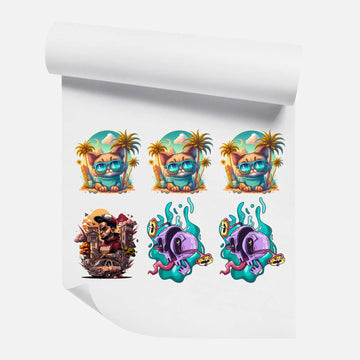
Choosing the right DTF transfer sheets can make a big difference in how your final product like t-shirts, bags, and hoodies look on the shelf of the retail store. When the film is of poor quality, the wet ink bleeds out of the design lines. Even the adhesive powder does not stick properly to the image.
Through this detailed blog post we are providing 10 top actionable tips to help you navigate through the crowded market and find the exact fit of materials that you need for your specific printing setup.
Know What Makes Quality dtf transfer sheets
Before diving into the specific buying tips, we have to look closely at what actually goes into making high quality DTF transfer sheets.
They undergo a highly specific and complex manufacturing process in which multiple microscopic layers of chemical coatings are carefully applied to a solid PET base.
The specialized coating holds the wet ink perfectly in place so it does not pool, run, or mix improperly. It also grabs the granular adhesive powder and holds it exactly where the ink sits, leaving the blank areas completely clean.
Finally, the chemical coating has to release the dried ink completely when heat and intense pressure are applied. If any of these individual layers fail during production, the final product fails.
If you have an understanding of these basic mechanical principles, it helps you look past flashy marketing campaigns by accurately evaluating the actual physical performance of the materials you plan to buy.
Top 10 Tips for Selecting dtf transfer film sheets
Finding the right supplier and product requires careful attention to detail. The market is flooded with different brands and variations.
Here are the most critical factors to consider when you start shopping for new DTF transfer film sheets for your growing business.
1. Match the Film to Your Printer Setup
Few machines use specific friction roller systems. It requires a much thicker film base. This prevents accidental jamming during runs of long prints.
You need to know whether your specific hardware system can handle individual cut sheets or whether they require a continuous feeding roll.
Using the wrong physical format or plastic thickness will inevitably lead to constant misfeeds, jammed gears, and completely deck down materials.
2. Consider Hot Peel vs. Cold Peel dtf transfer film for printing
You can buy dtf transfer film for printing in 3 main processing styles which comprises hot peel, cold peel, and warm peel.
Hot peel lets you peel the film off immediately after the heavy press opens. This speeds up the rate of production.
Cold peel requires you to wait until the garment is completely cool to the touch before removing the plastic backing.
While cold peel takes a lot longer to process, many professional users find it leaves a slightly smoother and more matte finish on the fabric.
3. Evaluate the Coating Quality on the Film
Some cheaper films have glossy patches or highly uneven textures. When you buy bulk DTF transfer sheets wet ink on an uneven surface, the liquid will mottle and look blotchy on the final shirt. bulk DTF transfer sheets
Good coating keeps your graphics looking bold and opaque. A premium coating provides a very high ink loading capacity.
It means you can lay down a heavy, thick layer of white background ink without the liquid running over the edges of your colored design.
4. Check for Static Resistance During Production
When your plastic film generates static charge, the hot-melt adhesive powder sticks to the areas with absolutely no ink.
If you do not brush this stray powder off manually before melting, it melts directly onto the shirt and leaves tiny white specks all over the dark fabric.
Vital features keeps your workspace significantly cleaner, speeds up your workflow, and completely prevents ruined garments.
5. Look at Ink Absorption Rates
The best printing materials absorb liquid ink quickly. It holds it tightly against the plastic base.
If the ink sits wet on the surface for too long without absorbing, it spreads easily outward or can get mixed with neighboring colors.
If the edges look perfectly crisp and incredibly sharp, then know that the film's ink absorption rate is doing exactly what it needs to.
6. Check the Release Process
A good film releases the melted ink and adhesive combination with no physical resistance. If you hear a loud ripping sound or feel heavy resistance, the chemical release coating is failing.
A bad release process can pull the printed ink right off the fabric, completely ruining the shirt and wasting your valuable time.
7. Managing Costs with Bulk DTF Transfer Sheets
Buying daily supplies in bulk is a standard, smart practice for reducing your overall overhead.
When you officially transition to purchasing bulk DTF transfer sheets, you have to carefully balance the upfront financial cost with production volume.
8. Assess the Value of Buying in Volume
Ordering bulk DTF transfer sheets only makes real financial sense if you are actively running your printers every single day of the week.
The chemical coatings on these films do not last forever. Calculate the monthly usage carefully, and only buy what you can realistically want to consume to keep your printing materials fresh and fully functional.
9. Verify the Shelf Life and Storage Needs
Every individual printing supply has a strict date of expiry, even if it is not printed directly on the cardboard box.
Room temperature and indoor humidity play a major role in exactly how long your supplies last before going bad. You must not miss out on storing your printing materials in a proper climate controlled room.
Before you invest heavily in a large inventory, make sure you have a cool, dark, dry place to store the boxes safely away from the touch of sunlight.
10. Run Sample Tests Before Big Runs
Never commit to a huge, expensive order of DTF transfer film sheets without physically testing them. Buy a small sample pack and run it straight through your standard daily workflow.
Print your most colorful designs, apply your regular adhesive powder, and press the design onto your standard cotton clothing layouts.
Wash the test shirts 3 to 4 times in hot water. This critical testing phase shows you exactly how the new film performs in the real world.
Alert Tip: Do not skip this testing step, even if a printer recommends a specific order of a popular brand to you.
How To Finalize Your Decision on dtf transfer sheets
You have closely examined your printer hardware. Now you must analyze the different peel types, and record your actual volume needs. Now it is time to make a final, informed purchasing decision.
How To Review Supplier Reliability and Shipping
The absolute best DTF transfer film for printing is completely useless if your supplier cannot deliver it to your doorstep on time.
Look for suppliers with large distribution centers close to your local shop. Read the feedback and the online reviews from existing clients to shape an opinion of your own.
Did You Know
If a supplier is widely known for long backorders and poor communication, keep searching for someone else. Remember, a fast, reliable supply chain is just as important as the physical quality of the plastic.
Conclusion
Building a highly successful custom apparel business and not using dtf transfer sheets is not an acceptable task. By paying close attention to coating quality, static resistance, and proper room storage you will consistently produce a vibrant, long lasting texture of apparels.
If you want the best print then talk to professionals from the companies like DTF Print to go ahead with the further proceedings.
Frequently Asked Questions (FAQs)
1. What should I look for when buying DTF transfer film for printing?
Ans: When selecting DTF transfer film for printing, the most important factors are ink absorption, peel type, and anti-static properties. High-quality DTF transfer sheets will hold the ink without pooling, allow the powder to stick evenly, and release smoothly onto the garment.
2. Are all DTF transfer film sheets the same?
Ans: No, they can vary significantly. DTF transfer film sheets come in different finishes (like matte or glossy) and different release types (hot peel, warm peel, or cold peel).
3. Is it worth buying bulk DTF transfer sheets for my business?
Ans: Absolutely. If you run a consistent or high-volume custom apparel business, investing in bulk DTF transfer sheets is one of the best ways to lower your cost per print and increase profit margins. Just be sure to store them in a cool, dry environment away from direct sunlight.


