



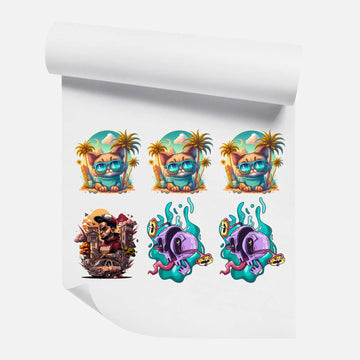
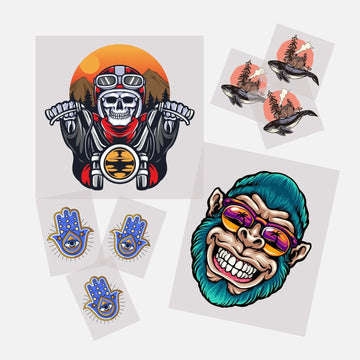

The custom apparel industry is changing fast, and one technology is at the center of that shift. DTF printing — Direct-to-Film printing — has moved from being a niche production method to becoming the go-to choice for businesses ranging from solo Etsy sellers to mid-sized print shops handling thousands of orders a month. If you have been curious about what is fueling this momentum, the answer lies in a combination of practical advantages that older methods simply cannot replicate. :contentReference[oaicite:0]{index=0}
Here is a closer look at why DTF printing online is becoming the dominant force in custom apparel and what that means for businesses, creators, and customers in 2026.
The Numbers Behind the Growth
The global DTF printing market was valued at around $782 million in 2023. By 2030, it is projected to cross $2.1 billion — a compound annual growth rate of 14.5%. At the same time, the broader custom t-shirt printing market is on track to reach $20 billion by 2035, with the online sales channel expected to register the sharpest growth over the coming decade.
These numbers reflect something real: consumers want personalized products, brands want flexible production, and DTF printing delivers on both fronts without the overhead that traditional methods require.
No Fabric Restrictions — That Is a Genuine Game Changer
Why Fabric Compatibility Matters More Than People Think
One of the most persistent frustrations with older printing methods is how selective they are about what they will work on. DTG printing — one of DTF's closest competitors — performs well primarily on 100% cotton. Screen printing handles bulk orders efficiently but struggles with complex, full-color artwork. Heat transfer vinyl requires manual weeding and breaks down faster under washing.
DTF transfers work on cotton, polyester, fleece, nylon, denim, spandex, silk, and virtually every blend in between. The garment does not need to be pre-treated before printing. A single production workflow handles everything from performance athletic wear to heavyweight hoodies to tote bags. For businesses looking to expand their product range without investing in separate equipment for each material, this flexibility alone is a compelling reason to switch.
No Minimum Orders — Small Runs Are Finally Profitable
For years, screen printing dominated bulk production because its setup costs made small orders impractical. If a client wanted 10 shirts instead of 100, the economics did not work. DTF printing removes that barrier entirely.
Whether the order is for a single custom piece or five hundred units, the production process is essentially the same. There are no screens to set up, no plates to prepare, and no minimum quantities required. This is particularly valuable for:
- Small businesses testing new designs before committing to a large run
- Event organizers ordering custom apparel for specific dates
- Creators running limited-edition drops on platforms like Shopify or Etsy
- Local sports teams, schools, and organizations with modest quantities
The ability to print one piece just as easily as one hundred has genuinely changed who can participate in the custom apparel market.
Print Quality That Holds Up Over Time
Durability Is Where DTF Printing Wins Long-Term
A print that looks great on day one but fades or cracks after a few washes is not actually a good print. DTF transfers are designed to last — most hold up through 50 to 100 wash cycles without significant fading or peeling when cared for properly. The adhesive powder used in the process creates a strong bond between the design and the fabric, allowing the transfer to flex and move with the garment rather than sitting rigidly on top of it.
The color output is also exceptional. Because DTF always lays down a white ink base before applying color, the final result is vibrant regardless of the fabric color. Printing a complex design on a black hoodie delivers the same clarity and saturation as printing on a white shirt — something that DTG printing genuinely struggles to achieve without additional treatment steps.
At a resolution of up to 1440 x 1440 DPI, DTF produces the kind of fine detail and gradient smoothness that older transfer methods could never match.
Same-Day and On-Demand Fulfillment Is Now Realistic
Speed matters in 2026 more than it ever has. Social media trends move in hours, not weeks. A design that goes viral on a Tuesday morning needs to be available for purchase by Tuesday afternoon if a brand wants to capitalize on that moment.
Same day DTF printing has become a real competitive advantage for print shops that have optimized their workflows. Unlike screen printing — which requires screen preparation, drying time, and multi-step setup before a single shirt can be pressed — DTF production can begin as soon as a design file is ready. Shops offering same day DTF printing are drawing customers who previously had no realistic option for fast-turnaround custom apparel outside of basic iron-on transfers.
This speed also makes DTF a natural fit for eCommerce brands operating on print-on-demand models, where an order should be in production within minutes of being placed and on its way to the customer within 24 to 48 hours.
The Online Ordering Shift Is Accelerating Everything
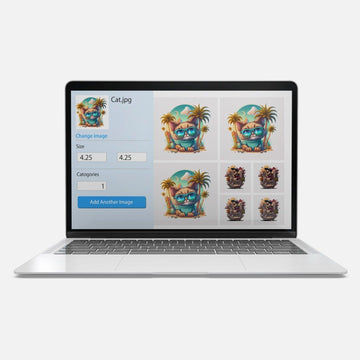
The growth of DTF printing online is inseparable from the broader growth of eCommerce. Customers now order custom apparel the same way they order everything else — from a browser, on a phone, with the expectation of fast delivery and clear communication. Online DTF printing services have made it easy to upload a design, select a product, choose a quantity, and receive finished transfers or pressed garments within days.
This model is particularly strong in markets like Atlanta, where a growing creative economy has produced a large base of small apparel brands, streetwear labels, event organizers, and promotional businesses looking for production partners. DTF printing in Atlanta has seen measurable growth as local print shops have upgraded from older equipment to full DTF setups capable of handling both walk-in orders and high-volume online fulfillment.
The ability to serve customers both locally and nationally through an online ordering system has given DTF-equipped businesses a reach that was previously only possible for large-scale operations.
Why Businesses Are Choosing DTF Over Legacy Methods
A Side-by-Side Reality Check
Screen printing still makes sense for very large orders with simple designs and a limited color palette. DTG printing remains a solid option for premium cotton garments where a soft, breathable feel is the priority. But in most other scenarios — especially for businesses that need flexibility, speed, and the ability to handle diverse order types — DTF printing checks more boxes.
It reduces ink waste by approximately 25% compared to DTG. It requires no pretreatment chemicals. It can be applied without a commercially specialized press, meaning smaller operators can offer professional-quality results without a major capital investment. And it integrates naturally with eCommerce workflows, allowing businesses to fulfill orders on demand rather than holding inventory.
For businesses searching for a DTF print near you, the good news is that availability has expanded significantly. More print shops across the country have invested in DTF equipment, making local access easier than it was even two years ago.
Final Thoughts
DTF printing is not a trend that will fade when something newer arrives. The technology has matured, the hardware has become more reliable and accessible, and the production model aligns almost perfectly with where consumer demand is headed — toward personalization, speed, and flexibility at any order size.
Whether you are an independent creator, a small business owner, or a brand looking to scale your custom apparel operation, the case for DTF printing in 2026 is straightforward. The quality is there, the economics work, and the infrastructure to order and receive prints quickly is already in place.
If you are ready to get started, DTF Print offers online ordering, fast turnaround, and the production quality that growing brands rely on — making it a smart starting point for anyone serious about custom apparel in 2026.


