




Most custom apparel looks exactly the same whether you are standing in daylight or walking into a dark room. Glow in the dark DTF transfers change that. Charge the design under any light source, step into darkness, and your print comes alive — no electricity, no batteries, no special activation required.
It is a genuinely striking effect, and it opens up a category of custom apparel that standard printing simply cannot produce. But like glitter DTF, glow in the dark transfers are a specialty product with specific characteristics worth understanding before you order. This guide covers exactly how the glow effect works, which designs get the best results, how to press them correctly, and where they make the most sense for your customers.
How Glow in the Dark DTF Transfers Actually Work
Glow in the dark DTF transfers use a phosphorescent film as their base. The film contains strontium aluminate — a photoluminescent compound that absorbs and stores light energy, then releases it slowly as visible light in the dark. This is the same material used in high-quality glow in the dark products across many industries, from safety signage to watch dials.
When you press a glow DTF transfer onto a garment, the phosphorescent film bonds to the fabric through the same adhesive process as any DTF transfer. The glow effect is built into the film itself — it is not a coating applied on top, and it does not rely on any external power source. The design charges passively under ambient light, sunlight, or any UV light source, and then glows when the lights go out.
Unlike older glow products that used zinc sulfide and produced a weak, short-lived greenish glow, modern strontium aluminate glow transfers are significantly brighter, last longer in the dark, and can recharge repeatedly without degrading.
What the Glow Looks Like on a Garment
In normal daylight or indoor lighting, a glow in the dark DTF transfer looks similar to a standard DTF print — your full-color design is visible on the fabric. The phosphorescent base layer may give the design a slightly different finish than a standard transfer when viewed straight-on in bright light, but the design reads clearly.
In the dark, the areas of the design that sit over the phosphorescent film glow with a soft blue-green or blue-white light. The intensity and duration of the glow depend on how long the transfer was exposed to light before going dark, and how strong that light source was. A few minutes under direct sunlight produces a vivid glow that lasts 30 minutes to several hours. Brief indoor light exposure produces a shorter, dimmer glow.
UV or blacklight exposure produces the strongest charge and the longest glow duration. For events where a blacklight is present — concerts, clubs, haunted experiences, Halloween events — glow DTF transfers are at their most dramatic.
How Glow DTF Differs from Standard DTF
The production process for glow DTF follows the same steps as standard DTF — artwork is printed onto film with CMYK inks and a white underbase, adhesive powder is applied and cured, and the finished transfer is ready to press. The difference is entirely in the film.
Standard DTF film is clear or slightly translucent. Glow DTF film contains the phosphorescent compound, which means the film itself carries the light-storing and light-emitting properties. When you press the transfer, you are bonding both the printed design and the phosphorescent layer to the fabric in a single step.
Because the glow comes from the film layer beneath the printed ink, the glow effect is visible around and through the design — particularly in areas where the ink is thinner or more translucent. Designs with solid, opaque coverage will glow more at their edges and in negative space areas, while designs that incorporate intentional open areas will let the glow show through the full design shape.
Which Designs Work Best with Glow DTF
Getting the most out of a glow DTF transfer comes down to designing with the effect in mind, not just applying the glow film to any existing artwork.
Designs That Maximize the Glow Effect
● Bold outlines and silhouettes — the glow traces the edges of shapes clearly in the dark, making strong outlines highly effective
● Designs with intentional open areas or cutouts — light passes through from behind, making the glow visible through the design itself
● Text and wordmarks with thick, readable letterforms — glow on text reads dramatically in the dark
● Skull, skeleton, star, moon, and similar motifs that have natural associations with the dark
● Halloween, horror, and nightlife event designs where the dark-activation is the whole point
● Safety and visibility designs — glow transfers on cycling, running, and outdoor gear provide genuine low-light visibility
Designs That Underperform
● Highly detailed photorealistic artwork — fine detail that reads in daylight may not be visible in the dark through the glow effect alone
● Designs that are entirely solid fill with no outline structure — the glow has no defined edges to follow and can look like a uniform blob in the dark
● Very small designs where the glow area is too small to make a visual impact
The best approach is to think of your design in two states: how it looks in light, and how it will look glowing in the dark. If the dark version has clear, readable structure, it will work well. If the dark version would just be an indistinct patch of light, reconsider the design or scale it up.
Color and the Glow Effect
The glow itself is a fixed color — blue-green to blue-white depending on the specific phosphorescent compound in the film. This glow color does not change based on your design colors.
What changes is how your design colors interact with the glow in daylight. Bold, high-contrast colors look vivid in the light and then give way to the glow in the dark. Lighter, more transparent ink layers allow the glow layer to show through even in partial darkness. Dark or heavily pigmented ink coverage can reduce glow intensity in those areas.
For designs where maximum glow impact matters, consider incorporating areas with less ink coverage or using the glow as a background effect behind a bold graphic. For designs where the daylight appearance is the priority, standard full-coverage artwork works fine — the glow will still be visible at the edges and any less-covered areas.
Heat Press Settings for Glow DTF Transfers
Glow DTF transfers press very similarly to standard DTF, with a few points to keep in mind.
● Temperature: 300–315°F (148–157°C)
● Press time: 10–15 seconds
● Pressure: Medium-firm, same as standard DTF
● Peel: Follow the peel type specified for your transfer — hot or cold
Always use a cover sheet or parchment paper between the platen and the transfer. This is standard practice for any DTF pressing, but it is particularly important with specialty films — pressing bare against a platen can leave residue and damage both the platen surface and the transfer finish.
The phosphorescent compound in the film is heat-stable within normal DTF pressing ranges, so you do not need to reduce your temperature or time to protect the glow properties. Standard DTF settings activate the adhesive correctly without affecting the glow performance.
For pressing guidance by garment type, see our complete DTF heat press settings guide.
Garment Compatibility
Glow DTF transfers bond to the same range of fabrics as standard DTF — cotton, polyester, cotton-poly blends, nylon, denim, and canvas all work well. The phosphorescent film does not affect fabric compatibility.
A few fabric-specific notes worth keeping in mind:
● White and light-colored garments: The glow effect is cleanest on white or pale fabric because the light emitted by the transfer is not competing with a dark background. On a white shirt, the glow stands out vividly in the dark.
● Dark garments: The glow is still visible on black and dark fabric — the contrast between the glowing print and the dark shirt is actually striking — but the overall glow intensity appears slightly lower than on white fabric because there is less reflected light from the garment itself.
● Synthetic fabrics: Press at the lower end of the temperature range (300–305°F) to avoid heat damage to polyester or performance fabrics.
Durability: Does the Glow Last?
The glow performance of a strontium aluminate phosphorescent transfer does not degrade with normal washing. The compound does not dissolve in water and is not affected by standard laundry detergents. The glow ability of the film is preserved through multiple wash cycles when the transfer is cared for properly.
The transfer itself follows the same durability rules as any DTF print. Cold water washing, turned inside out, low heat or air drying. Hot water washing and high-heat drying are the main factors that shorten the lifespan of any DTF transfer, glow or standard.
What will reduce glow performance over time is significant abrasion — heavy scrubbing or industrial washing that physically wears down the transfer surface. Under normal domestic washing conditions, this is not a concern.
Best Use Cases for Glow DTF Transfers
Glow in the dark DTF transfers are a specialty product. They work best when the glow effect is central to why the customer is buying the item, not just a nice-to-have.
Event and Nightlife Merchandise
Concerts, music festivals, club nights, raves, and themed parties are the strongest use case. Attendees are in dark or low-light environments, the glow effect is visible and impressive, and event merch with a glow element stands out immediately on the merchandise table. For promoters and event organizers, glow shirts give customers a wearable souvenir that performs differently from any standard printed tee.
Halloween and Seasonal Apparel
Halloween is the most obvious seasonal application. Skulls, ghosts, spiders, bats, and horror motifs that glow in the dark have immediate appeal. Seasonal pop-up shops, costume accessories, and themed apparel brands all benefit from glow transfers on their Halloween lines.
Safety and Visibility Gear
Glow transfers provide genuine low-light visibility on cycling jerseys, running gear, dog walking vests, and outdoor activity clothing. For customers who exercise or work outdoors after dark, a glow transfer adds functional value beyond aesthetics. This is a serious use case that goes beyond novelty — strontium aluminate glow is used in professional safety applications for exactly this reason.
Children's Apparel and Novelty Items
Glow in the dark has obvious appeal for kids. Character designs, dinosaurs, space themes, and anything that "comes alive" at night resonates strongly with younger audiences. Pajamas, Halloween costumes, and novelty tees for children are a natural fit.
Brand Activations and Limited Runs
Brands that want to offer something genuinely different — a shirt that changes when the lights go out — can use glow DTF for limited-edition drops, launch events, or promotional items that create a shareable moment. The glow effect is unexpected enough that people show it off, which extends the reach of the product beyond the person wearing it.
How to Order Glow in the Dark DTF Transfers
Preparing artwork for glow DTF is identical to standard DTF — a transparent PNG at 300 DPI in RGB color mode. The glow effect is built into the film, not the file. Submit your design the same way you would any DTF order.
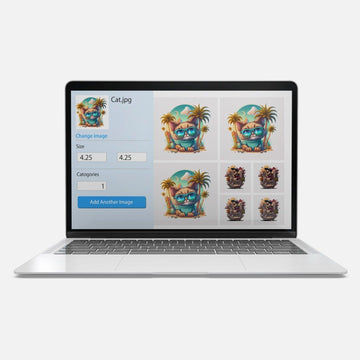
Glow DTF is available as a premium transfer option at dtfprint.me. You can order through our DTF gang sheet online builder by selecting the glow variant, or explore individual transfer sizes through our DTF transfers by size and quantity page. If you want to see and feel the effect before placing a full order, our DTF transfer sample pack is the best starting point.
Questions about whether glow DTF is the right fit for your specific project? Reach us through the contact page and we will help you figure out the right approach before you commit.
Frequently Asked Questions
How long does the glow last on a DTF transfer?
After a full charge under sunlight or UV light, glow DTF transfers typically glow visibly for 30 minutes to several hours, with the brightest glow in the first 10–15 minutes. The exact duration depends on charge time, light source intensity, and ambient darkness. The glow fades gradually rather than switching off suddenly.
Can I charge glow DTF transfers with a phone flashlight?
Yes. Any light source will charge a phosphorescent transfer — phone flashlight, room lighting, sunlight, or UV light. UV light and direct sunlight produce the fastest and strongest charge. A phone flashlight held close to the design for 30–60 seconds will produce a visible glow.
Does the glow color match my design colors?
No. The glow is a fixed blue-green to blue-white color regardless of your design colors. Your design colors show in daylight. In the dark, the phosphorescent layer glows its fixed color. This is the nature of photoluminescent materials — the light emitted is a property of the compound, not the printed ink.
Will the glow effect wash out over time?
No. Strontium aluminate is water-stable and washing does not remove the phosphorescent compound from the transfer. The glow ability is preserved through normal wash cycles with proper care — cold water, low heat drying. The transfer itself will wear over time with repeated washing just like any DTF print, but the glow property of the film does not degrade separately.
Do I need special equipment to press glow DTF transfers?
No. Glow DTF transfers press exactly like standard DTF transfers using any heat press. No special equipment, no UV lamp, and no additional steps are required. Standard DTF press settings apply.
A Print That Works in Two Different Worlds
Most custom apparel does one thing — it looks a certain way under light. Glow in the dark DTF transfers do two things. They carry your full-color design in daylight and transform into something completely different in the dark. For the right product, the right event, or the right customer, that dual-state effect is something no standard print can replicate.
Try it with a DTF transfer sample pack pressed on your garment of choice, then take it into a dark room. Or head straight to our gang sheet builder and arrange a few glow designs on a sheet to start a run. If you have specific design questions about how to get the best results from the glow effect, our video tutorials and contact page are both good starting points.


